
Businesses are demanding more and more from HR data. Not only do you need to provide accurate headcounts and breakdowns e.g. gender, department, region. But you also need to provide more advanced HR reporting like career paths through the business, skills gaps, benchmarking, gender pay gap, ESG metrics and much more. Soon, businesses will start expecting HR to predict outcomes too.
Most HR teams are doing their best to keep up with the requests that come through. Sometimes it’s a relatively quick download, and other times, it’s an all hands on deck, late night, 95% certain situation. As your team work through requests and produce reports, it’s hard to know whether your data is the best it can be and your data processes are handling the data as effectively as they should be. How quickly would other businesses respond to the same request? What processes or systems are other businesses using to respond to that request? How much of their HR reporting would be automated vs. manual data processing?
It would be too hard to write a ‘one size fits all’ answer to some of those questions as that will completely depend on the size and complexity of your business. But there are some red flags you can look for that indicate your HR reporting processes may be broken. Most importantly, when you know things aren’t working as efficiently or effectively as they could be, you can fix them.
Here are the five signs I often see in HR reporting processes that aren’t working as well as they should be for their HR teams:

1. Accuracy is Assumed
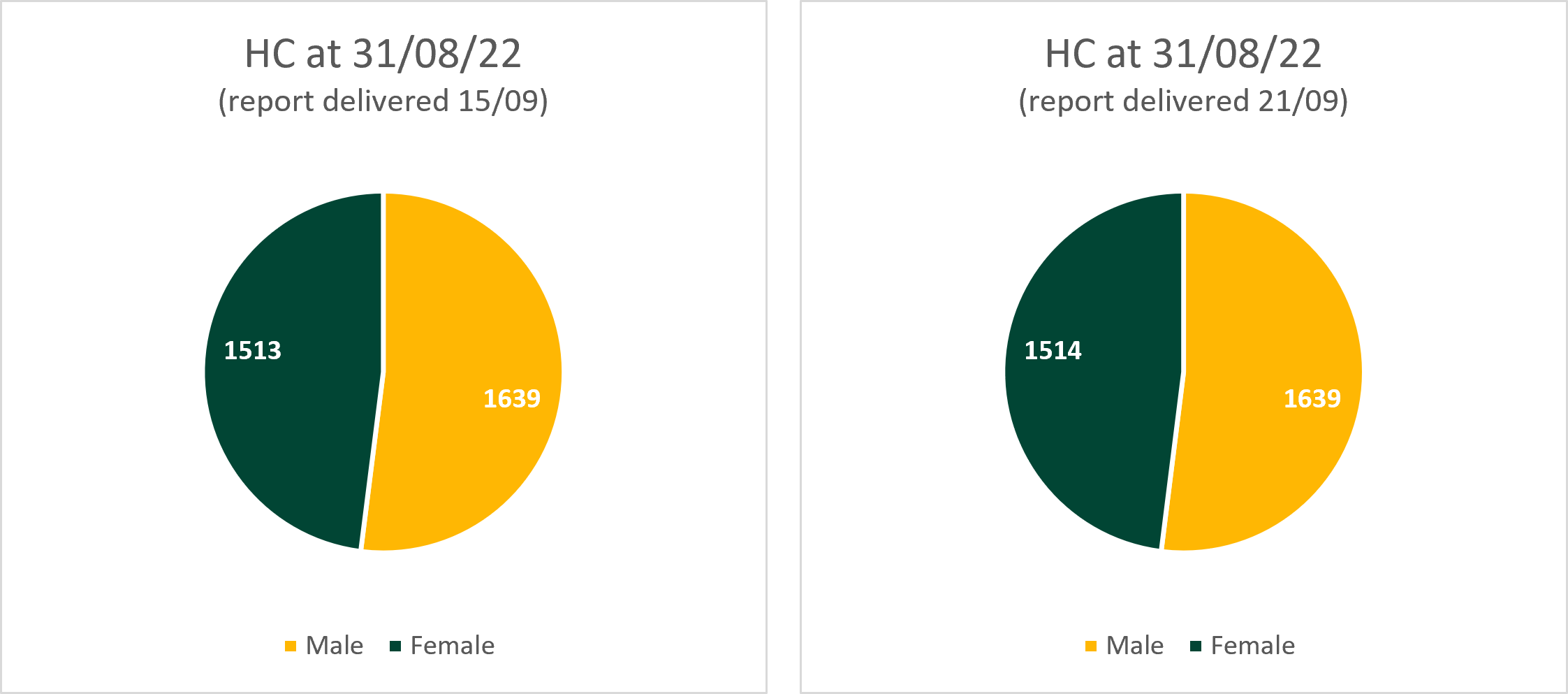
Data can never be 100% accurate, and that’s normal. Sometimes it’s out-of-date a few hours after you’ve run it. Sometimes you’re working with incomplete information or some unverified data. But we have an obligation when reporting to a) check the data is as accurate as it can be and b) be open about the assumptions or possible inaccuracies. When HR reporting processes aren’t working properly, HR teams are oblivious to possible inaccuracies because they aren’t actively checking the data or they don’t think they need to. Even if you think your data is accurate, you should check it when running a report. When teams hand that data over, they don’t highlight the scope of the data or potential assumptions/inaccuracies, so the reader then assumes the data is accurate. That’s double damage, and if you can’t show that data accuracy is being actively managed, you’re taking an unnecessary risk.
2. Report Requests Incite Panic and Scrambling
If your team don’t know how or where they will find the data, or how long it will take them to pull it together, that’s a pretty big, obvious red flag! Ignoring the rare situation when a data request is completely impossible e.g. how many dogs do all of our 1900 employees own, most data that is requested should be reportable. Sometimes the scrambling comes because the question has been asked in a way that’s different to how your HR system allows to you to capture information and can’t be easily re-sorted or re-stated e.g. system only allows you to record gender in their pre-defined categories, but you have people of multiple genders and you want to understand the diversity of your business. Other times, the scrambling comes because you’re not capturing data you probably should be or didn’t start early enough e.g. socio-economic background of employees and applicants added this year but no historic data. You may not even always see this panic or scrambling, but I can almost guarantee you will hear the sentence, ‘that might be quite challenging for me to pull, give me some time to see what I can come up with’.
3. Teams Don’t Predict, Pre-empt or Reproduce Report Requests
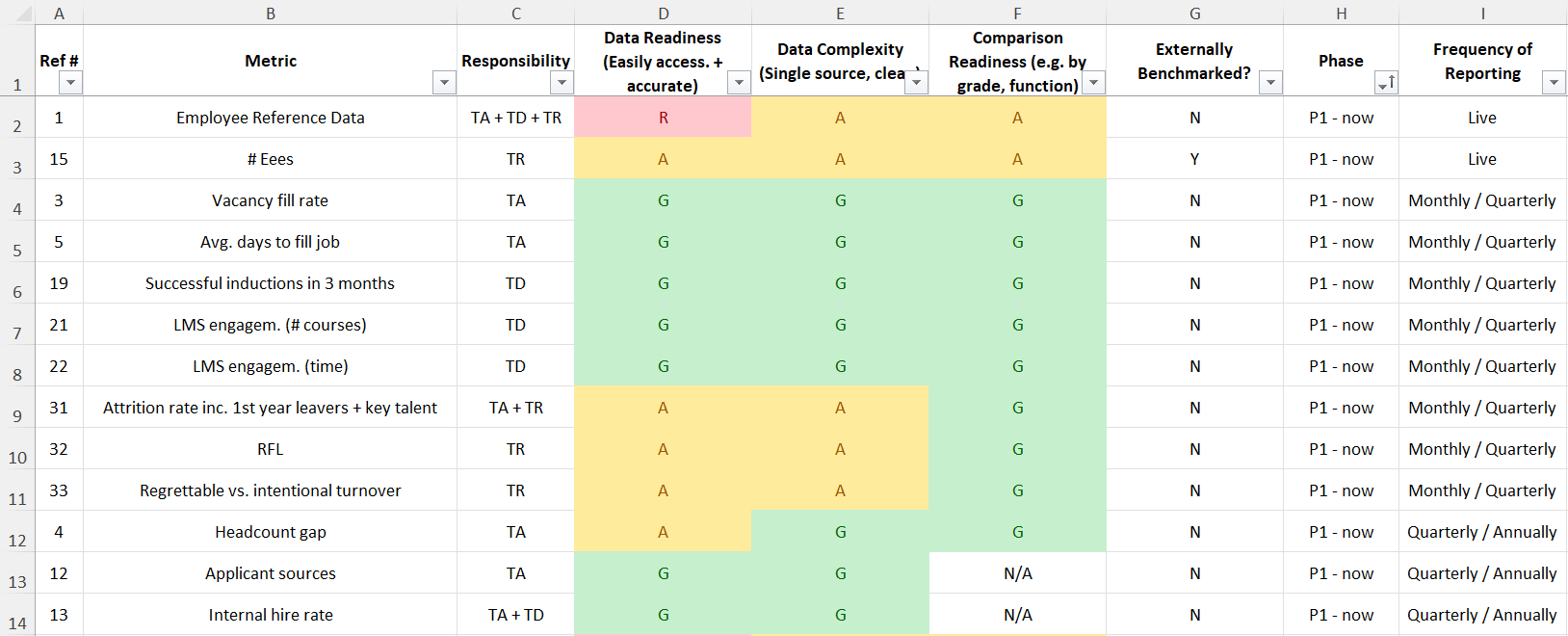
Your data teams shouldn’t be surprised by the data the business is asking for. They should have their finger on the pulse of the business and know what’s being discussed. If they know there’s a board meeting happening and cost cutting is on the agenda, having a few pre-prepared, extremely relevant reports in their back pocket is important. Equally, recognising that certain teams ask for the same information regularly and making sure that data is captured adequately and built into the overall data strategy is important. HR reporting shouldn’t just be reactive. HR teams need to be constantly evolving based on the requests that come through – build commonly requested data into your core datasets, remove data that is rarely asked for, and re-define data if it is no longer fit for purpose.

4. Every report is individually run
By this I mean each report is individually designed, tailored and built according to the request. In vs. out of scope are decided each time, fresh cleaning happens each time, a new report template is built each time. Definitions of categories are re-defined each time, rather than having a set definition of who’s counted (e.g. all employees or perm only) and how they’re counted (e.g. heads vs. FTE). When reports are built individually each time, there are no standard or core reports from which data cuts are taken e.g. monthly database download. It means the team are not clicking run on a saved report template online. They are not taking a core database and summarising it in different ways for different people. They are not taking another report they ran and presenting it in a different way. They are starting again every time, freshly running data (which can mean the data changes), or customising reports every time a new request comes in. This leads to different answers to the same question given to different people and leaves you reacting and catching up every time.
5. There is No Historic Record of Requests and Reports
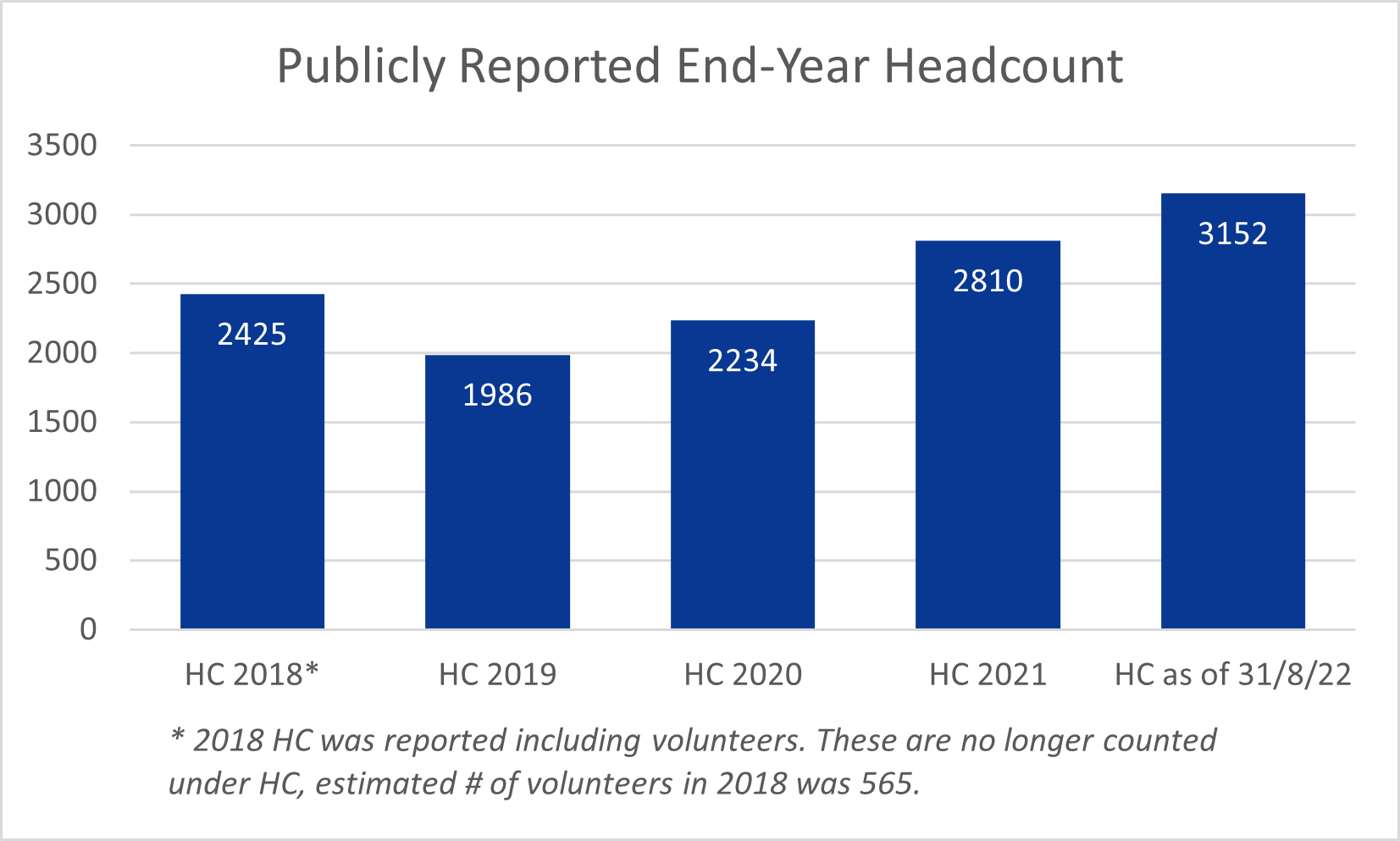
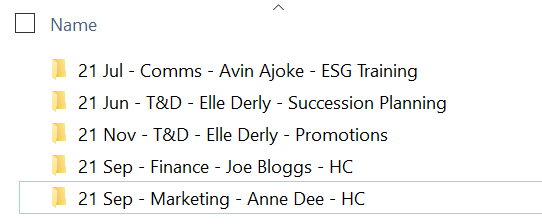
I don’t have a silver bullet solution for this one, but I do know it’s super important. When you send out reports to different teams, you need to save down the report that was sent as well as any supporting notes or data that you used so that if, or more accurately, when they come back to you with questions or further data requests, you’re not re-running the data and getting different answers. That sounds obvious, but it doesn’t happy as often as it should and it can be critical. Imagine you submit headcount numbers as part of your company’s end-year public filings, which are audited/assured, and your auditors find a discrepancy. Sometimes it’s human error, looking at old data, mis-reading a line, whatever. The most credible thing you can do for your HR team is to find the original data report you ran, including notes, assumptions and underlying data and verify the query. If you can’t even find the original report, you will instantly damage your credibility with the senior leadership team, and potentially jeopardise the outcome of your audit/assurance process. At least if you can find the data and answer their question, you can address the query in a way where your information is trusted, even if you did make a mistake originally.
In this post, I’ve tried to avoid vague statements like ‘HR reporting takes a long time’ as a sign of broken reporting processes, because they’re completely subjective. You might think your reporting takes a reasonable amount of time, but if you compared notes with an HRD in a similar situation, you might realise your reporting is really slow or super fast! The time it takes will depend on the complexity of the request as well as your data maturity. Instead, I’ve tried to give you some really clear signs that something might not be working properly in your HR data team, as well as some more detailed explanations of what that does and doesn’t look like.
If any of these signs are present in the way your team does its HR reporting, don’t panic! Everything is fixable. Sometimes it just needs someone to recognise the problem and make the change. However, if you feel that a fresh pair of eyes on your HR reporting processes could help you identify gaps and build a better, more effective HR data team, then please reach out. That’s what we do – help businesses build HR data strategies – and we’d love to work with you too.